What If Play Was the Curriculum?
The forest was alive with the kind of energy you can’t fake.
It wasn’t structured P.E. or a science lesson squeezed into an outdoor worksheet. It was something different—messier, louder, and more imaginative. A group of children were transforming a cluster of trees into their own world: a café made from bark and berries, a hideout fortress complete with password protection (hint: it was “hedgehog”), and a rescue squad equipped with leaf stretchers and pinecone phones.
There were no learning objectives on the whiteboard. No behaviour charts. No adults leading. And yet—they were learning. Deeply.
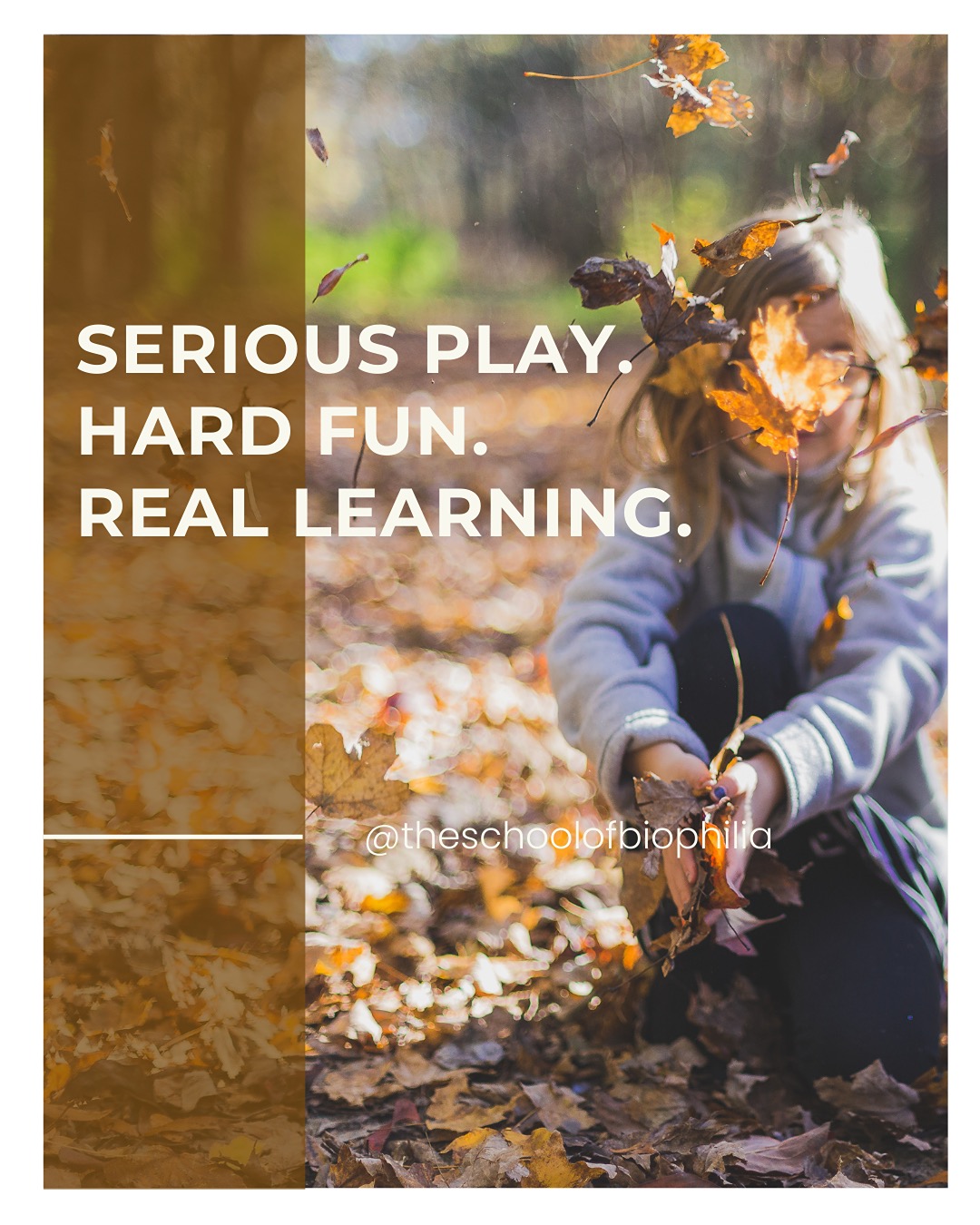
This is what we mean when we talk about serious play and hard fun.
During my time teaching Architectural Technology students, I spent a lot of time researching these concepts. We saw firsthand that the most powerful learning happened when students were fully immersed—when they could play with ideas, test materials, and build things that sometimes fell down, though the tepee the students built in the studio was a very much loved space for that whole academic year!
Hard fun is the sweet spot where curiosity meets challenge.
Serious play is where creativity and structure dance together.
In both children and adults, play is how we process, explore, and grow.
The Hidden Power of Nature-Based Play
Out in that woodland corner, children were developing essential life skills:
Collaboration – deciding who does what, and navigating the inevitable arguments.
Problem-solving – building roofs that didn’t cave in, finding new ways to balance logs.
Emotional resilience – frustration when a stick snaps, joy when a plan works.
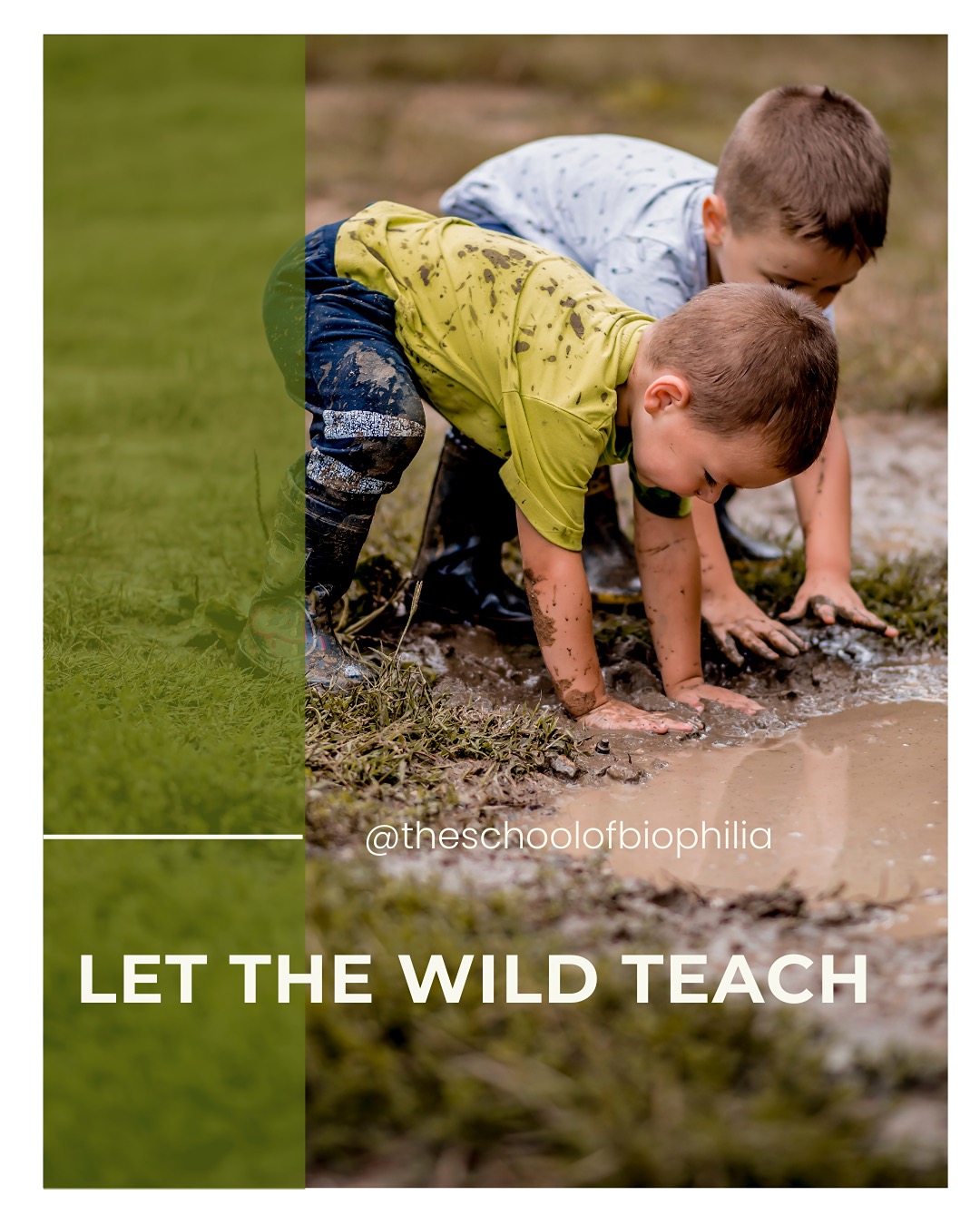
Imagination – crafting entire worlds from mud, leaves, and wild ideas.
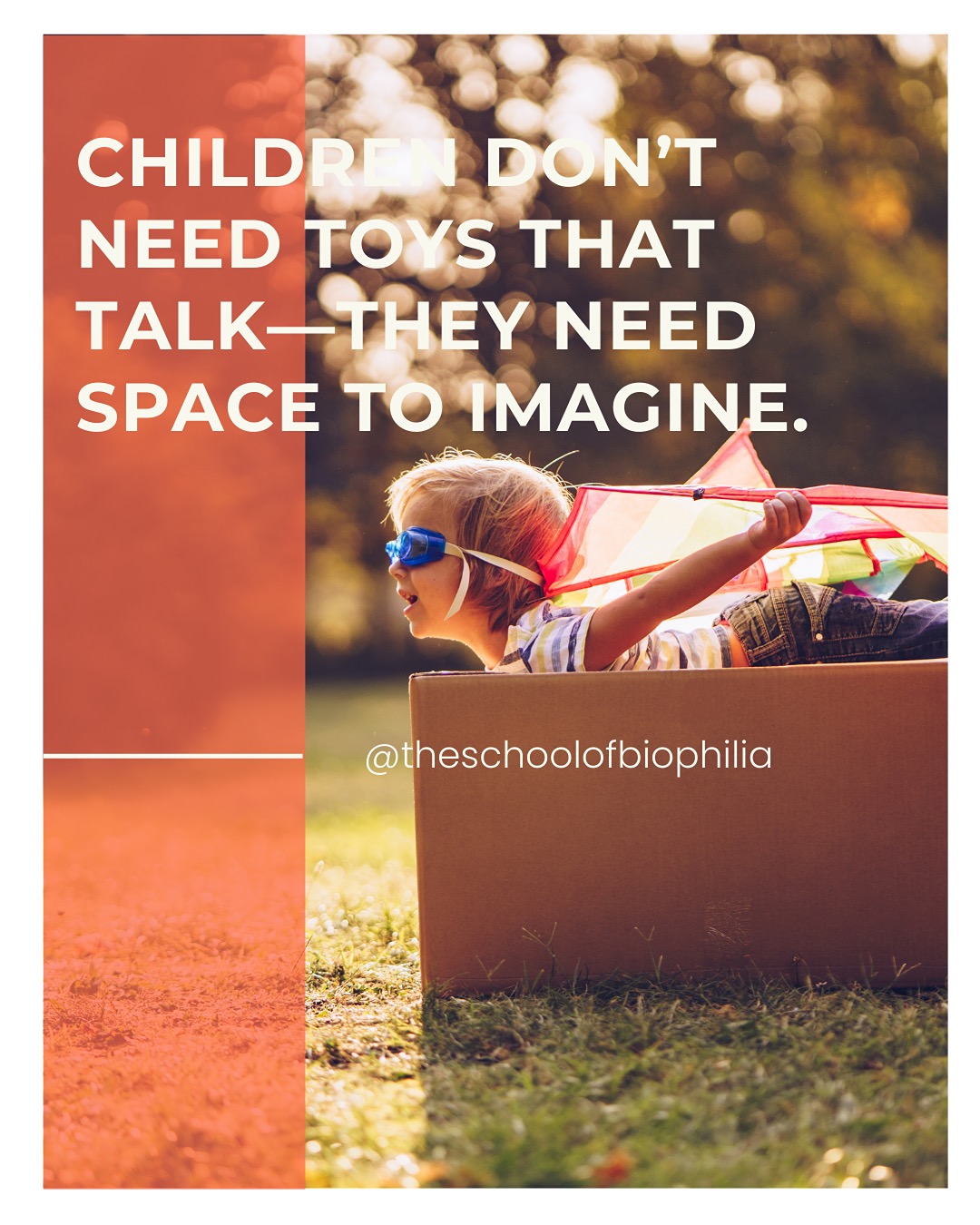
This kind of play doesn’t need a screen or a plastic toy with lights. It needs space. Time. Trust. And ideally, a few good trees.
We’ve been conditioned to see play as a break from learning. But what if we flipped that?
What if play was the curriculum?
Our Mission at the School of Biophilia
At the School of Biophilia, we help schools, educators, and communities design learning environments where nature-based play is central, not peripheral.
Through:
Hands-on educator training
Outdoor workshops
Nature-inspired lesson plans and space designWe champion a way of learning that’s grounded in curiosity, joy, and connection.
Join Us – Preston Health Mela | April 12th
Want to see biophilic play in action? Come visit our stand at the Preston Health Mela.
https://www.lancashire.ac.uk/news/health-mela-2024
We’ll have:
An explanation of what biophilia is (and isn't)
Ideas and inspiration for educators
Free resources to take awayLet’s build a future where play is serious, fun is hard, and nature is the classroom.
Let’s imagine the world children deserve.
Comments