If Biophilia Isn’t a Subject, Why Are We Trying to Teach It Like One?
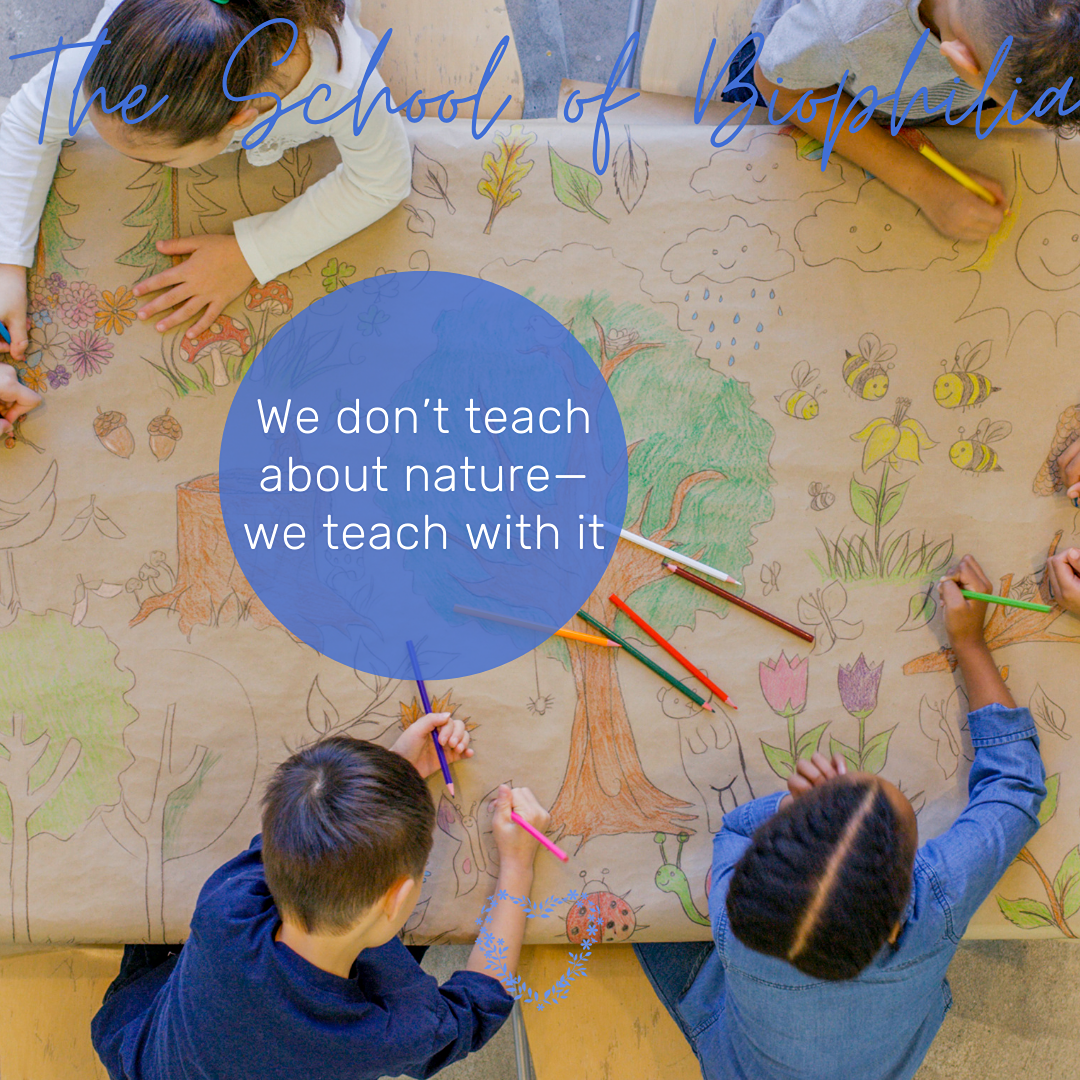
If Biophilia Isn’t a Subject, Why Are We Trying to Teach It Like One?
Biophilia often enters schools as a lesson.
A themed week.
An outdoor activity.
An add-on once the “important” learning is done.
But biophilia isn’t information. It isn’t content to be delivered. It’s the innate human relationship with life, pattern, and living systems.
When we try to teach it like a subject, something vital gets lost.
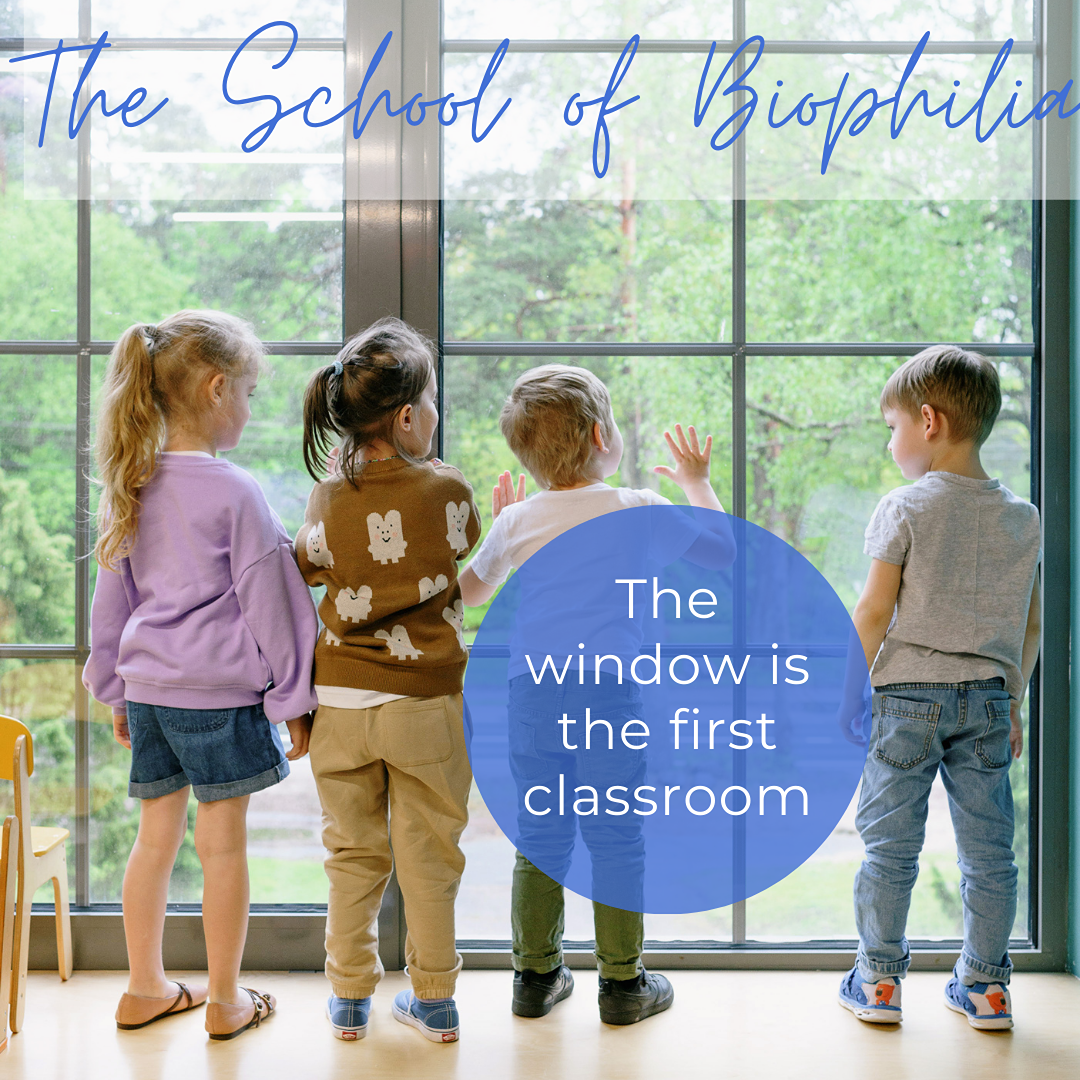
Classrooms are already teaching long before a teacher speaks. Through light, sound, space, pace, and rhythm. Children learn whether they are safe, rushed, trusted, or controlled through the environment itself.
Seen this way, biophilia isn’t something extra. It’s a way of seeing learning environments as living systems rather than neutral containers.
Many teachers already work this way instinctively. They notice bodies. They respond to sensory overload. They allow movement, curiosity, and connection when they can.
This book asks a simple but disruptive question:
What if curriculum began with aliveness, not outcomes?
This essay is part of a book being written with teachers, not about them.
👉 Read the full essay on Substack
👉 Join the School of Biophilia
Comments